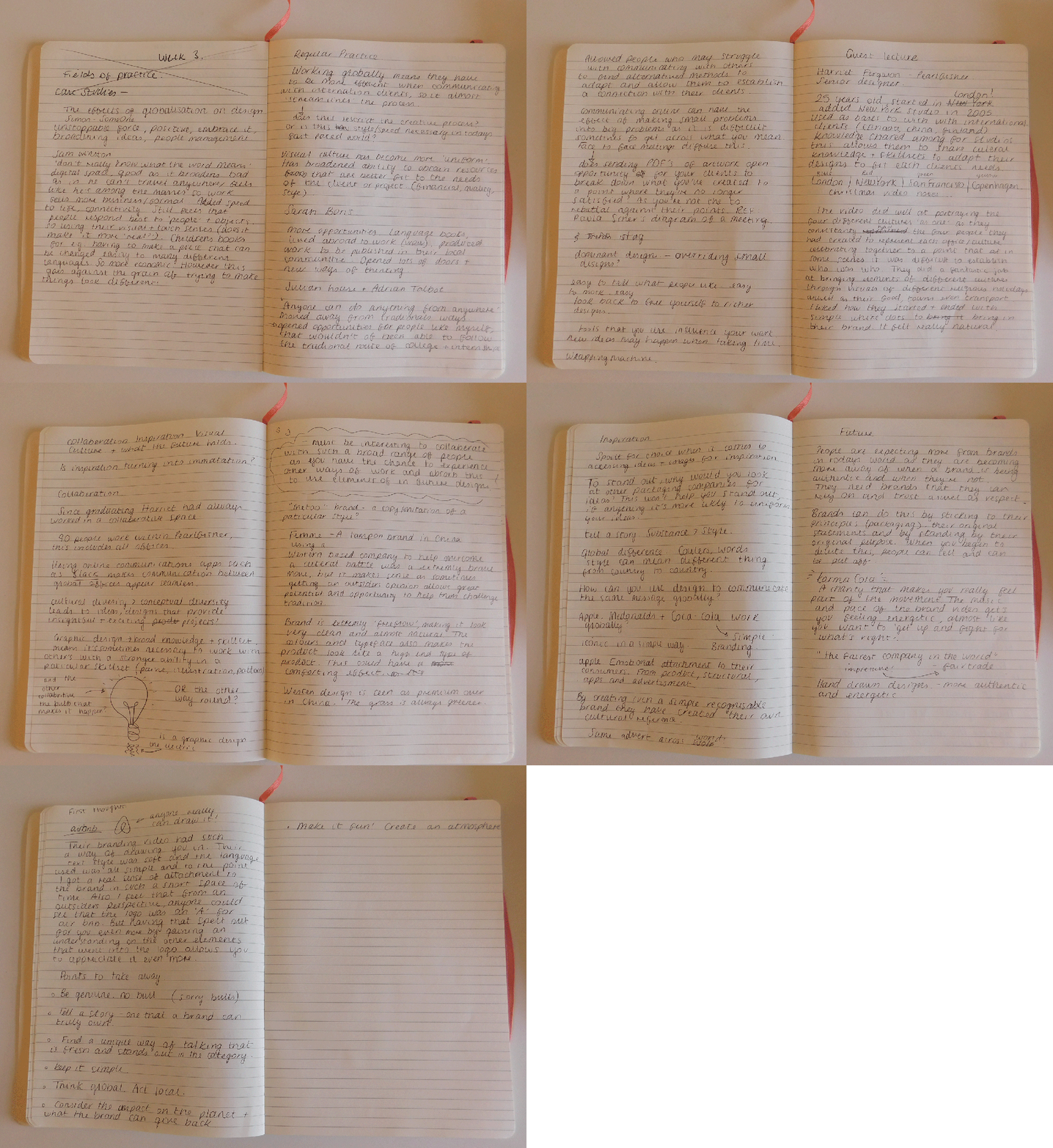
Notes
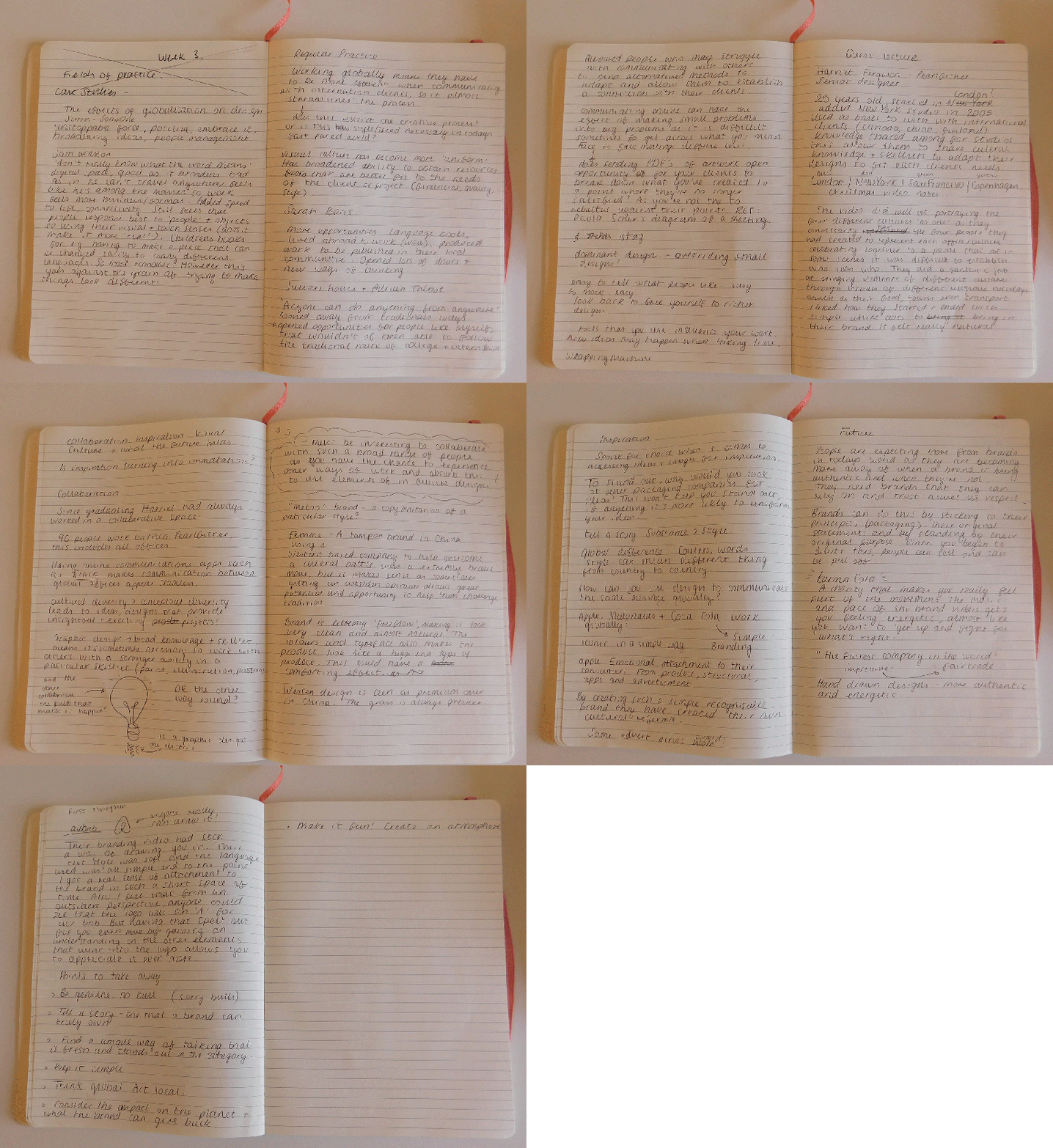

I thoroughly enjoyed Harriet’s lecture this week, she spoke about the collaborative opportunities she has in her current role. How if working on a design that required detail orientated illustration, she tends to find someone with that particular skill set and work alongside them to create the final result. I personally think that’s a fantastic and very necessary method, as it allows you to physically brings in new perspectives and talents that you couldn’t of otherwise have accessed. It allows to to observe and absorb elements of another type of work that may help you approach future designs through a different path.
This did lead me to thinking of the collaborative approach as a functioning light-bulb. In order to produce the end result, in the light bulbs case – light, there must be a source of energy and a container. I wonder if in some cases the source of creative energy and ideas come from the graphic designer and the container, being the talent, come from the other person involved within the collaboration – as without them the idea would never be able to hold it’s form to function as desired?


Different Types of Design.
Visual identity graphic design. Marketing & advertising graphic design. Integrated graphic design. Publication graphic design. Editorial design. Packaging graphic design. Motion graphic design. Environmental graphic design. Art and illustration for graphic design. Outdoor advertising design. Writing for design. Product design.
D&Ad Awards & Categorisation
Upon researching what graphic design is and thus which category it falls under, there are two key descriptions that continuously appear. Problem solving and communication.
Graphic design is so broad that it wouldn’t make much sense to describe it as anything else – if you were to try narrow it down any further I feel that it would be too restricted and risk having an impact on the creative flow of a graphic designer. It would also risk giving the viewer a misguided pre-set judgement on how they are to receive the design. Whereas using the terms problem solving and/or communication are both so broad themselves that it leaves room for both the graphic designer and the viewer to explore and interpret the design how they see fit.
After exploring the categories within the D&AD awards it became transparent that this was a shared view as within their Graphic Design category, there are 10 subcategories that graphic design has been awarded along with a broad description; “commercial visual design for all platforms”.
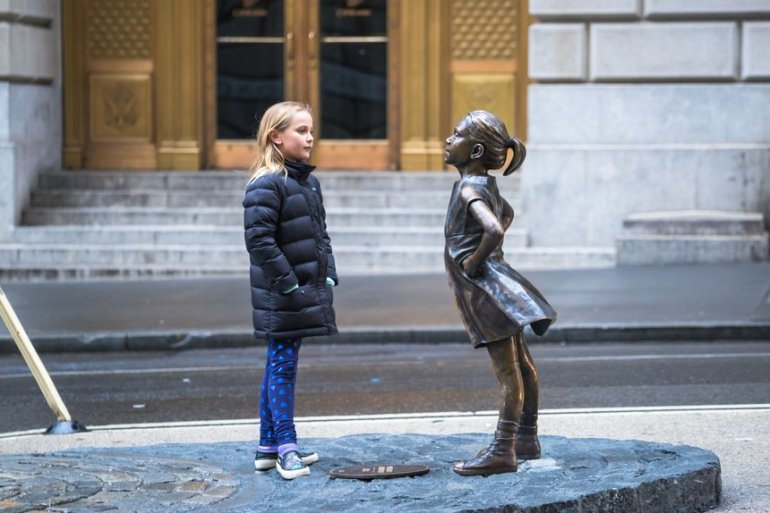
However, it wasn’t just Graphic Design that had overlapping designs. There are many other designs that are featured amongst a variety of different categories as well as awards. For example, The Fearless Girl. This ground-breaking statue was featured within 8 different categories and was awarded 13 individual pencils. This conveys that no matter which category you put yourself or another practice within, design is forever going to have a fluid element to it which allows it to be used and interpreted in a multitude of ways.
This led me to question whether categorisation has an impact on what tools are used to create a design. After reflecting on my own practice, I’ve noticed the differences in my work when working directly onto a software rather than pen to paper, I work faster but with caution, which usually results in a uniform styled design. Do “Industrial Designers” produce work solely using categorically industrial tools?
However, I feel that categorisation can be necessary at times – for example, if you specialised in web design, such as Jake Dow-Smith, you would want to make this as clear as possible from the beginning to entice the correct audience.
“Good design is a lot like clear thinking made visual” said Edward Tufte – this quote really connected with my own reflection on how I see graphic design. I like how graphic design allows you to use type and imagery to tell a story, a message or simply just to connect with an audience. It grants freedom to seek out new ways and assets of communication that may not be achievable by using speech alone. Graphic Design has the advantage of being able to set the scene of which they would like to communicate within.
Overall, I feel that categorisation can be as necessary as it is unnecessary. It can be as much of a guide as it is a hindrance. It is as fluid as the designer wants and/or needs it to be – naturally.
Links used for research:
https://spin.atomicobject.com/2012/11/08/what-are-the-categories-of-design/
https://99designs.co.uk/blog/tips/types-of-graphic-design/
https://uxplanet.org/many-faces-of-graphic-design-what-graphic-designers-do-b73a0e611115
https://dow-smith.com/
https://www.dandad.org/
Editorial Design & Terminology


When I hear the word ‘edit’ – I think of change. So editorial to me suggests that there is something to changed in one way or another to fit a purpose or to create a composition within specific guidelines.
Whereas Christoph Neimanns book, Sunday Sketching, completely breaks this conception. In his own words, there were elements of this book just happened; “The result is what the result is. There is no editing. This is the subtext of the art in the book. It’s about giving up control”. This book was made entirely from unassigned, free roam sketches that ooze creativity at its roots – this raw material couldn’t be composed, edited or projected any other way and I’m happy that it was displayed just as it was created. Openly.
I really like the idea that sometimes all you need to create an empowering composition is a collection of designs and ideas. Due to this, I would like to suggest the term Collective Design opposed to Editorial Design.


Use images to illustrate and contextualise your writing – think of your blog as an article. Pull screen grabs from the research links you have listed.
Collective suggests collaborative? Room for further debate here…
LikeLike