
Louize Harries


Overall, the podcast that Susanna and Louize did for this week was really interesting. I loved hearing just how passionate Harries was about the projects that she had been able to take on, having that kind of passion in a project is always going to lead you to a result. Even if it’s one you didn’t expect.
I really liked her Red Rain project that she did using drones to bring the air pollution of London to attention. She explained that her reasoning for making it have red rain, or some sort of visual is simply because the air pollution is invisible. People can’t see it, and it’s always harder to make people believe in something they can’t see. By making the pollution visible you can use this to alarm the public, forcing them to see the reality of it all. This concept got me thinking about my ideas to support those with mental health. Mental health is something that is mostly completely invisible, so how could we bring this to the light and make it something that is visible so that those nearby someone that is struggle can assist them?
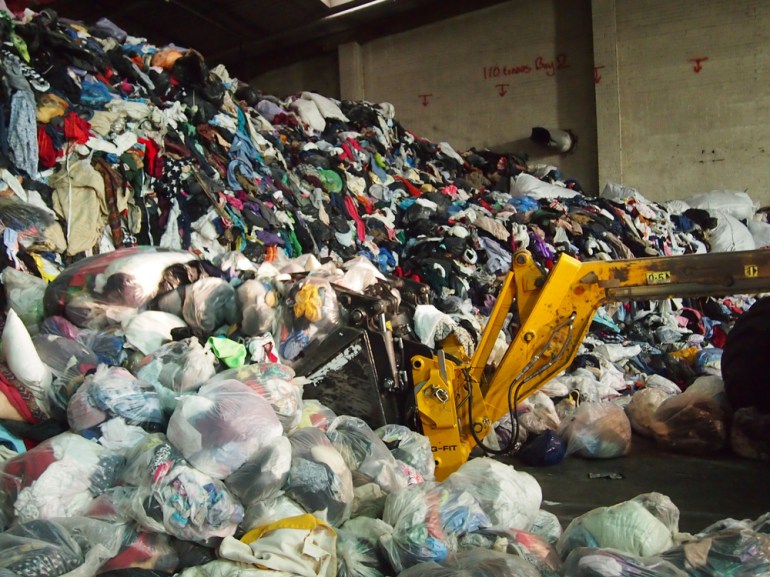
Louize spoke about her ‘Subconscious Shopper’ project and all the different kinds of people that she had got involved in both her previous projects – this I found fascinating. It’s brilliant what a group of collectives can come up with when they combine their minds. The subconscious shopping project was a really good way to approach the issue of consumerism – it told the story, not by directly tell the audience to stop purchasing, but it showed the calculation behind it all. It made us question the morality behind it, and perhaps made some people second guess some of their previous purchases. Are you buying it because you actually want it? Or because it’s designed to look like something you would want?
She then went onto explaining her development process, and kind of reassured us that everyone can have a little freak out when taking on a new (rather daunting) project. One thing that she said that’s really stuck with me is “don’t get lost in huge ideas”. As someone that is prone to overthinking, perhaps aiming to overachieve and prone to expecting the very best from myself – I’m very much in need of putting this concept to use. I can sometimes get so wrapped up in an idea in my mind but when it’s time to get it out on paper or verbalise it, I can’t. I need to learn to break tasks down into smaller pieces, and remember that it’s probably not possible to change the worlds overnight.
Q’s, hopefully with A’s


Continuing on with the idea and hopes to create a form of design that will support those that struggle with mental health – this week I’ve been seeking out specialists that work within this field to attempt to have a conversation to find out if and how design could help within the field. When you struggle with mental health, it can be quite an isolating, lonely thing due to stigma’s, ‘taboo’ topics and the feelings of shame that can come with them. Due to this, I’ve been looking into different areas of mental health such as bereavement, loneliness and stigmatisation.
This week I’ve come across a few different business’s that provide a service to support those that struggle with their mental health in one way or another, some more directly than others. I’ve approached these by either email or over the phone in hopes to establish a time and place that we could have a conversation about the possibilities of using design to assist further. The business’s that I have approached;
- Next door – a social network put in place to bring communities together
- Cruse Bereavement Care – a local service to help those that have had someone close pass away.
- Mind
- Samaritans
Cruse Bereavement Care got back to me and agreed to have a discussion with me next week over the phone. I feel this discussion will be extremely helpful as not only will I have the chance to speak with a group that specialise with supporting those going through bereavement, but we can gather an insight onto a side of mental health that isn’t usually the first to be considered. When we lose someone we love, we can isolate ourselves, which unfortunately can lead to long term mental health issues. And in turn, Cruse will of also dealt with those that have lost someone to suicide, so to have the chance to speak with someone that has assisted someone through that process could be really insightful.
Q’s
What are the 3 main issues your clients generally experience? And how do you currently attempt to help them with this?
At what stage would you feel that someone is ready to leave your services? Have you ever had someone come back?
How often do you have to help someone that has lost someone to suicide? Are there any differences in how you would support this type of client to another?
What methodologies do you find to be the most successful? How do you measure this?
If you could have anything made to help you with your job, what would you want?
What kind of sensory tools, if any, are you currently using during your sessions with your clients? If you’re not using them, do you think this could help?
Is there any specific type of design that you feel could be useful to help your clients?
Do you generally find that your clients have a limited support network? Or if they have one and don’t use it, what reasons do they give for this? (shame, embarrassment?)
Plan B
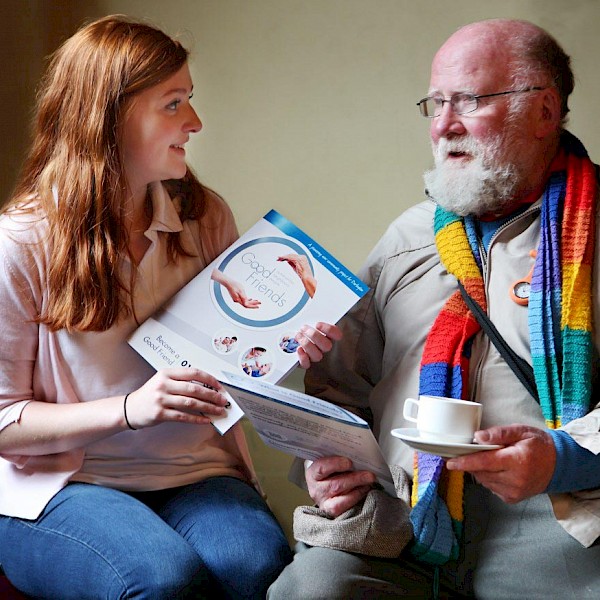
Unfortunately Cruise Bereavement fell through – so instead I’ve approached a local cafe within Skipton that runs a project called Good Friends.
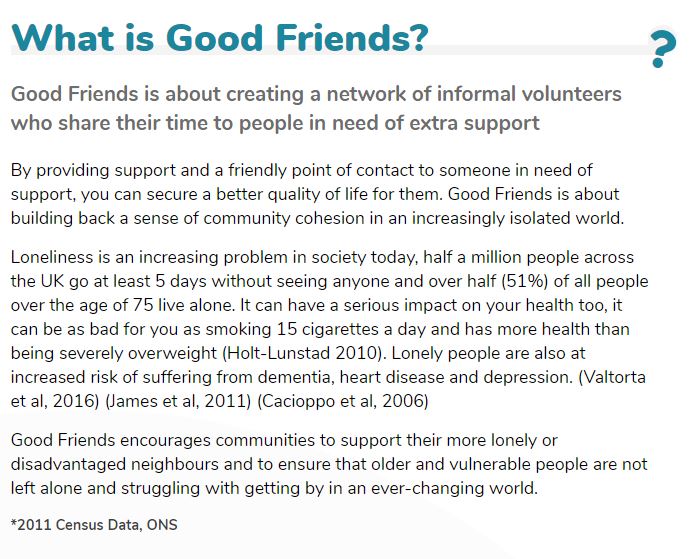
After speaking briefly with Marcia, it became clear that those that volunteer or get involved can also benefit hugely along side helping someone else. Loneliness can happen to anyone, no matter what age – so by getting involved in a program like this it can be just as helpful to the volunteer as it is to the person who signed up to receive the help.
Although I’ve been doing quite a lot of research into how we can use design to help those that suffer with mental health issues – I must admit that I had overlooked older people. So through this short interview I will be looking to discuss further ways which we could help them, be that through their environments, services we can offer or by producing some sort of object that will aid their ability to socialise.
Some of the above questions will still be applicable to Good Friends, however there are some more that have taken a more tailored approach.
Q’s
What are the 3 main issues your clients generally experience? And how do you currently attempt to help them with this?
How long will your service provide for someone? Is it an ongoing service?
If you could have anything made to help you with your job, what would you want?
Is there any specific type of design/service that you feel could be useful to help your clients?
Do you generally find that your clients have a limited support network? Or if they have one and don’t use it, what reasons do they give for this? (shame, embarrassment?)
What are the most successful methods of getting someone to engage with social activities? Is this a slow process?
If someone is struggling with their mental health – are there further services you introduce them to that could help?
Have you had anyone from younger age groups get in touch wanting your service? Would you ever consider allowing them into the program?
Podcast
My apologies in advance that the sound is rather tinny, I originally recorded this on my phone and didn’t sound test the room before hand – lesson learnt for next time!
After speaking with Marcia, it really opened my eyes to how much something as simple as just having a conversation with someone can completely change their life. Obviously there was the element of getting her clients to partake in activities outside their own home as well but even to get them to that stage they did tiny steps to ensure they weren’t pushed too far. Great Friends is a fantastic organisation who I’m so glad I had the pleasure to speak with – collaboration and communication are the two strong points from this podcast that I’ll be taking with me into future design endeavours as these two elements seem vital when it comes to aiding those that may struggle with their mental health or overall quality of life.
 Sian Laüra