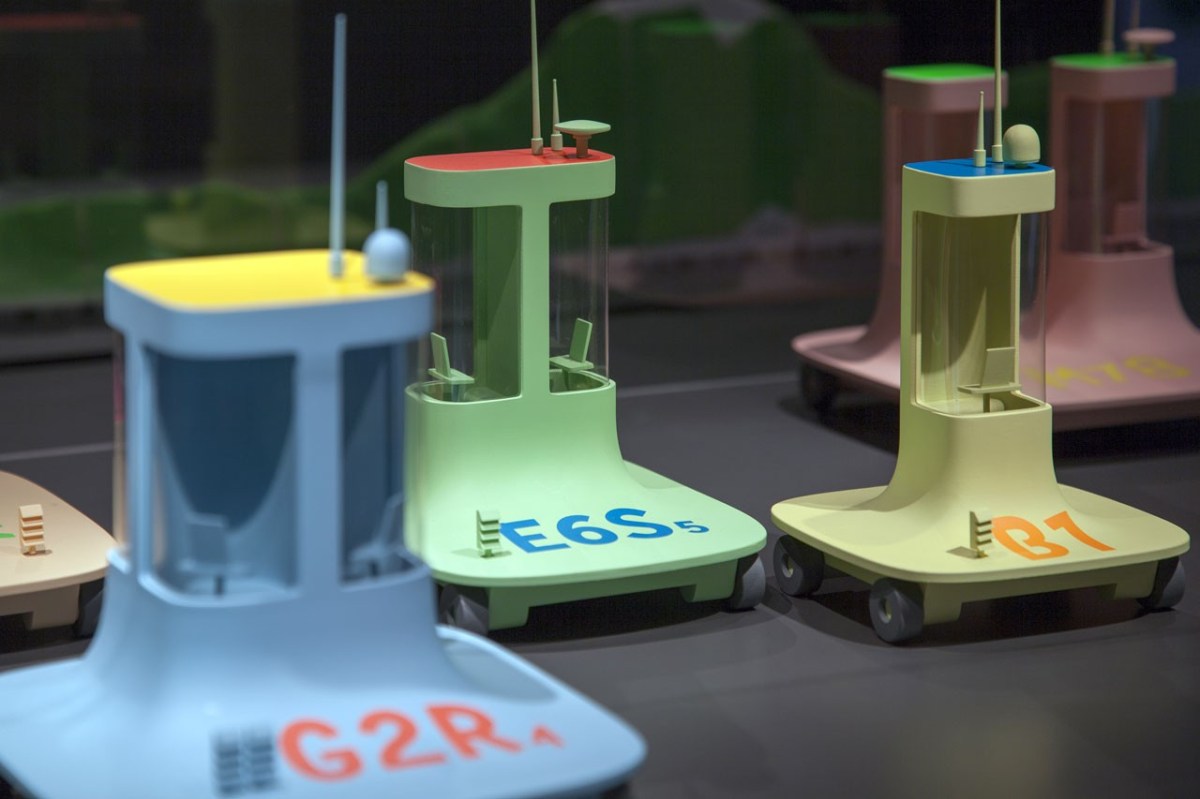
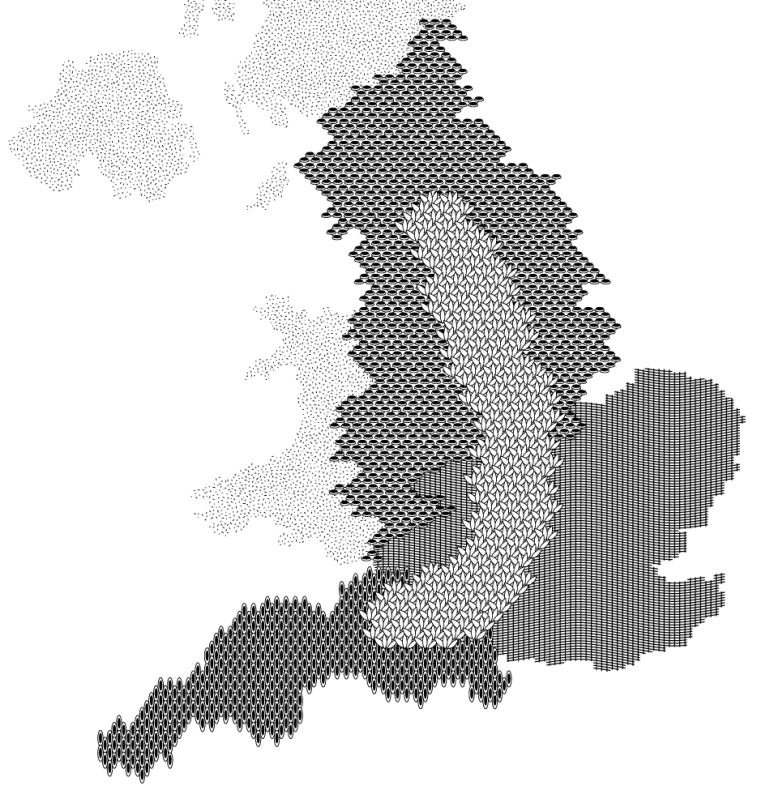
Dunne & Raby’s UMK design project brought up lot of contradicting, interesting and quite frankly, upsetting perspectives to my attention. I would like to begin by breaking down my thoughts and feeling on the separate 4 divisions of the ‘UMK’.
Digitarians
The first thing that grabbed my attention in this section of the site was this video, simply because it was a piece of information I could watch rather than read – which is quite ironic and certainly shows the effects that technology has had on our attention spans already.
Whilst watching the effortless movements of the digicars, I couldn’t help but feel in awe. It was so soothing to watch them glide through what would usually be a very distressing amount of traffic, it looked perfect. The only thing that I couldn’t seem to fathom however, was the parking – the way it placed itself within an perfectly lined grid amongst the other digicars made me see something that once looked so idealistic to something a little more sinister. I saw the people within the digicar as cattle, another living form that was to be contained and kept in order so it can fulfil it’s ‘use’ and the digicar as their shepherd – transporting people to work and back home efficiently, leaving no room for detours or second thoughts.
“Digitarians depend on digital technology and all its implicit totalitarianism — tagging, metrics, total surveillance, tracking, data logging and 100% transparency. Their society is organised entirely by market forces; citizen and consumer are the same. For them, nature is there to be used up as necessary. They are governed by technocrats, or algorithms — no one is entirely sure, or even cares — as long as everything runs smoothly and people are presented with choices, even if illusionary. It is the most dystopian, yet familiar of all the micro kingdoms.”
Upon closer investigations into the digitarians it seemed like this was the same case across the board. This entire civilisation seemed to run entirely on the idea of a simplistic, ‘easy’ life, where the people could come and go as they pleased as quickly and efficiently as possible. However in a society that was so completely reliant on the use of technology this couldn’t possibly be the case. Surely having so many decisions made up for them automatically by a machine leaves no room for the people to think, never mind consider their actions on a human scale?
They’ll never know wether they’d prefer strawberry to chocolate icecream because they’ve already been giving the chocolate, it’s in their hands, they’ve tasted it and they know it’s nice so they’ll just stick with that. They’ll never know there is that bakery on the other side of their city because their strict route to work never allows for detours. the possibilities of what if’s, maybes and happy mistakes happening have been completely stripped from their way of life so they’ll never know any wiser. How will they ever grow?
Communo-nuclearists
The Communo-nuclearist society is a no-growth, limited population experiment. Using nuclear power to deliver near limitless energy, the state provides everything needed for their continued survival. Although they are energy rich it comes at a price — no one wants to live near them. Under constant threat of attack or accident, they live on a continually moving, 3 kilometre, nuclear-powered mobile landscape. Consequently, they are organised as a highly disciplined mobile micro-state. Fully centralised, everything is planned and regulated. They are voluntary prisoners of pleasure, free from the pressures of daily survival, communists sharing in luxury not poverty. Like a popular night club there is a one-out one-in policy, but for life.
Out of all four of the divisions, this is the one that had me most curious. I instantly compared the train to a airport VIP lounge, just on a much larger scale and I really couldn’t comprehend anyone actually living here out of choice. Although much time has certainly been spent trying to create the impression that this would be the most luxurious way of living – I couldn’t shake the idea of the entire train acting as more of a prison or a retirement home more than anything else.
However, after taking myself out of the situation and looking at it from other possible perspectives, I began seeing the appeal of this type of lifestyle. Ultimately, it seems like the best method of metaphorically putting fingers in each ears and choosing the ignore the rest of the world and the problems that come with it, but also it could be seen as the new millionaire lifestyle. With it being a ‘one in one out’ policy, I imagine it would be quite the social climb to be able to be part of this small community as it would be a plummet if you were ever to lose your place.
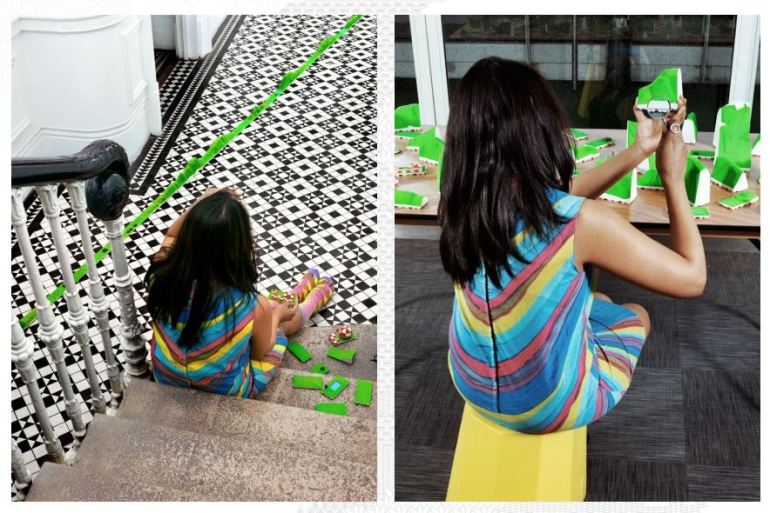
As the society is a no-growth, limited population I can imagine this effecting the population chosen’s ego in a very positive way – however there is something about the above photographs that leave me feeling like they would ultimately be under the influence of manipulation and play. The model holding the prototypes of the train is dressed, posed and positioned in a childlike manner, making the train, and everyone contained within it, just another toy.
Again, this seems to be another society that only strives for comfort and I can’t see any room for progression, only failure.
Bioliberals
Bioliberals are social democrats who embrace biotechnology and the new values that this entails. They live in a world where the hype of synthetic biology has come true and delivered on its promises — a society in symbiosis with the natural world. Biology is at the centre of their world-view, leading to a radically different technological landscape to our own. Nature is enhanced to meet growing human needs, but people also adjust their needs to match available resources. Each person produces their own energy according to their needs. Bioliberals are essentially farmers, cooks and gardeners. Not just of plants and food, but of products too. Gardens, kitchens and farms replace factories and workshops.

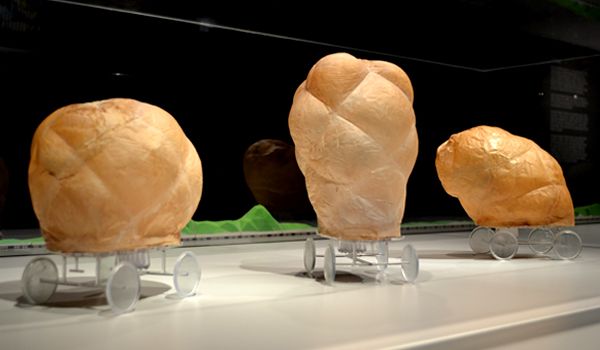
Anarco-evolutionists
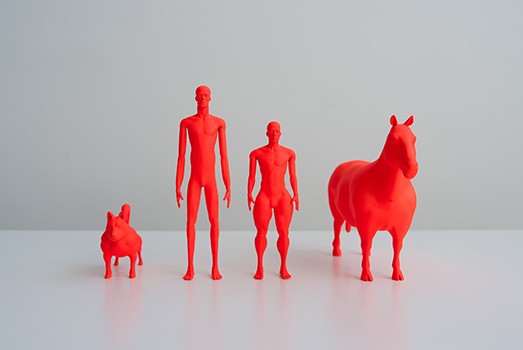
The Anarcho-evolutionists abandon most technologies, or at least stop developing them, and concentrate on using science to maximise their own physical capabilities through training, DIY biohacking and self-experimentation. They believe that humans should modify themselves to exist within the limits of the planet rather than modifying the planet to meet their ever growing needs. There are a high number of post-humanists amongst the Anarcho-evolutionists, individuals whose physiologies have been improved beyond that which is considered naturally human. They essentially take evolution into their own hands. Very little is regulated, citizens can do as they please as long as it doesn’t harm anyone else.
The anarcho-evolutionists at first glance appear extremely intimidating and unapproachable simply because of how alien they appear. However after properly reading into their way of life and imagining how they would go about their day to day lives, this civilisation actually seems the most approachable of them all. It seems to be an extremely independent nation that is also open to suggestions and ideas on ways they can create an easier, environmental way of life.
“The Anarcho-evolutionists travel in groups, each doing what they are best at, and each is responsible for a bit of the vehicle… …the elderly, young and weak are not able to pedal and are carried along by the others, their role is that of expert singers and story tellers, providing entertainment and motivation to the others. “
I love how everyone seems to have a role to play no matter what and that each part played is just as important as the others. However I can see the other side of this and imagine that if you were not to take part in any role at all, you would quite quickly become an outcast and no longer belong to any group. Another concern I have is regarding the experimentation, although it is done with good intentions, I’m sure the people as well as the animals would have had to dealt with some failures along the way, leading to some painful and/or cruel results.


It also makes me question the ego and the impact that genetically modifying your body would have on your mental health. Once you begin adapting your body to your surroundings, at what point to you stop? It’s a well known fact that the human race finds it near impossible to stop trying to find new ways of ‘improving’ things and pushing for new possibilities, if this involves us adapting our body along with this does this mean we as a society would never feel fully comfortable with our bodies?
Summary
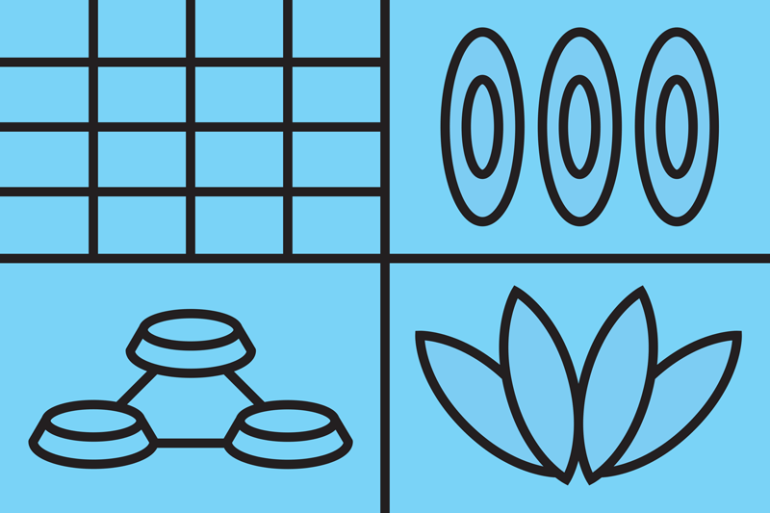
In all honesty, the first time I let my eyes feast over this future fiction, I was so willing to believe that this held some truth. I questioned whether or not these divisions actually existed in today’s world, simply because of the way it was presented to me. The information provided for each culture was so clear and precise, like it was being told back to me by someone who had been and experienced all four first hand. This illusion was brought back down to earth in a very short amount of time, however I’m still impressed with just how convincing this fiction was to me based on how confidently the information is displayed.
Dunne & Raby provoked their audience by only supplying the necessary information about each division, leaving the viewer forced to fill in the gaps of each story with their own imaginations – this is a fantastic way to bring a childlike sense of play into a design and certainly opens up the gates for millions of different perspectives and opinions to be projected onto the project. This certainly became transparent in the Commun-nuclearists section when they hosted a site showing the floor plan proposal for the train which allowed members of the public to comment their opinions and ideas for each section.
-> http://unitedmicrokingdoms.org/train-comments/


Reading through the range of mixed emotions towards this idea really shocked me – it seems that people were either really interested and for this idea, or totally against it. There was no in-between. This is similar to how I imagine the public would of reacted to the other 3 divisions too however as they all come from completely different perspectives and lifestyles I’m sure that they’d be a place for everyone amongst the four divisions.
By creating sculptures and video animations to demonstrate their theories and ideas I believe it added some ‘truth’ to each fiction. In today’s world it’s easy to skim past written news or information as we’re used to being bombarded with fake news and political opinions that are created simply to shock the public into paying attention. However, by creating something physical it brings it into the real world, where you can observe and experience it first hand in a really human way. This, in my opinion, is one of the largest factors this project had in creating a believable world. They showed us that what they suggested was in fact doable which in turn prompts very real emotion to be communicated back from the audience as they begin to imagine themselves in each situation.
Although the models and animations draw the audience in, I believe the photography style was to do the exact opposite. Jason Evans has paid extra attention to each detail of the photographs to ensure that they didn’t belong in a certain time or place. Leaving the viewers left unsure who it was in the photographs, where it was both in time and place and in what context they were to view the models in. By re-creating this space between the fictions and the viewers I think it re-establishes their desire to make people think for themselves and to hold their own opinions on each scenario displayed.
Editorial


(Please view PDF in Two Page View)
 Sian Laüra